
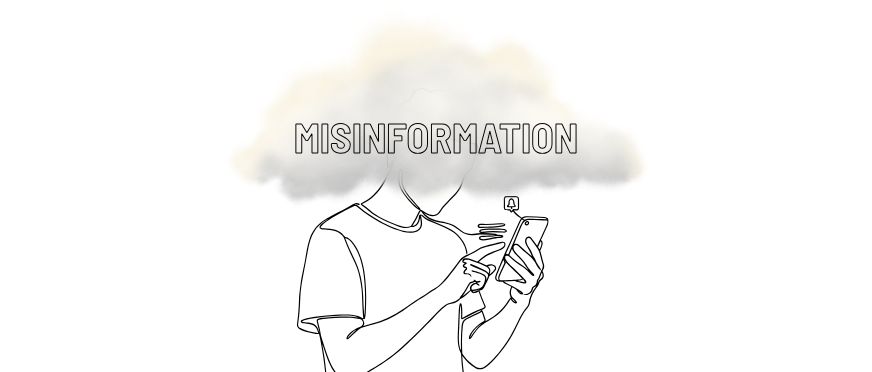
Over 50% of Top Mental Health TikToks Contain Misinformation
Mental health content is everywhere on social media, and understandably so. People want answers, relief from symptoms, and reassurance that they’re not alone. Platforms like Instagram and Tik Tok have made it easier than ever to access information about mental health and mental illness. However, just because the information is accessible, doesn’t mean it is accurate.
Information from a recent study revealed that more than half of the top 100 mental health TikToks with the hashtag #mentalhealthtips, contained misinformation. Let’s talk about why this is harmful.
While many of these short, attention-grabbing clips contain a nugget of truth, overgeneralization minimizes the complexity of mental disorders, their symptoms, and the evidence based therapeutic approaches that can provide relief (when delivered by a trained professional).
Mental health is complicated and often heavily relies on context. Short-form videos are simple, labeled as fact, and sometimes promise unrealistic “fixes”. When breaking down these types of short-form content, there are four common themes of misinformation that we need to look out for.
Pathologizing Normal Emotions
Not every uncomfortable feeling is a disorder. We’re human and humans feel a LOT of emotions. Feeling sad does not mean you have depression. Feeling nervous does not mean you have an anxiety disorder. Experiencing a trauma does not automatically mean you have PTSD.
Misusing Therapeutic Language
Language shapes our understanding and perception of concepts, and when the language isn’t accurate, the interpretation of those concepts is often inaccurate too. When terms like “gaslighting” or “narcissist” or “intrusive thoughts” are used incorrectly, they twist our understanding, create conflict in relationships, reinforce black and white thinking, and encourage a lack of accountability for certain behaviors.
Promoting False Treatments and False Claims
Some of the most viral mental health content on TikTok doesn’t just explain, it prescribes. People seeking help are sometimes confronted with advice like eating an orange in the shower to reduce anxiety, taking supplements with a limited evidence base, or claims that trauma can be healed within an hour. These recommendations aren’t just ineffective, but can be actively harmful.
Predatory or inaccurate information can delay people from seeking professional help or sending them down the wrong treatment path entirely. When a video offers a quick fix, it’s easy to try that before ever picking up the phone to call a therapist. Often times, the longer someone delays appropriate care, the harder recovery can become.
Relying on Anecdotal Evidence
Personal stories can have a lot value. They reduce stigma, create connection, and can be the reason someone finally decides to reach out for help. However, there’s a difference between sharing your experience and presenting it as a roadmap for everyone else.
Social media is full of anecdotal advice consisting of personal experiences being shared that often oversimplify how complex mental health issues are. Individuals then self-diagnose with conditions such as ADHD and autism in the comments section. One person’s journey with depression, anxiety, or trauma does not define the clinical picture and it certainly doesn’t define yours.
Some scholars believe the surge in self-diagnosis is partly driven by a lack of trust in the healthcare system and is further compounded by shortages of therapists and psychiatrists. This is a crisis that hits hardest for those who can’t self-pay. These are real, valid barriers. The problem isn’t that people are looking for answers, it’s that the answers they’re finding aren’t always real.
What Can You Do?
Practice media literacy and be a critical consumer of what you scroll. Ask yourself: Is this person a licensed professional? Are they citing research, or just their own experience? Does this content acknowledge complexity, or does it promise a simple solution? Mental health is rarely simple and any content that suggests otherwise deserves a second look.
If something you’ve seen online resonates with you, bring it to a session. A good therapist will always make space to explore it with you, without judgment.
Related Posts
The Difference Between Guilt and Shame: Why It Matters
People often confuse shame and guilt or use them interchangeably. However, there...

5 Common Misconceptions about Mental Health Therapy
1. You must have a mental disorder to see a therapist. Everyone could benefit...