
Panic Attacks: What They Are and How to Stop Them
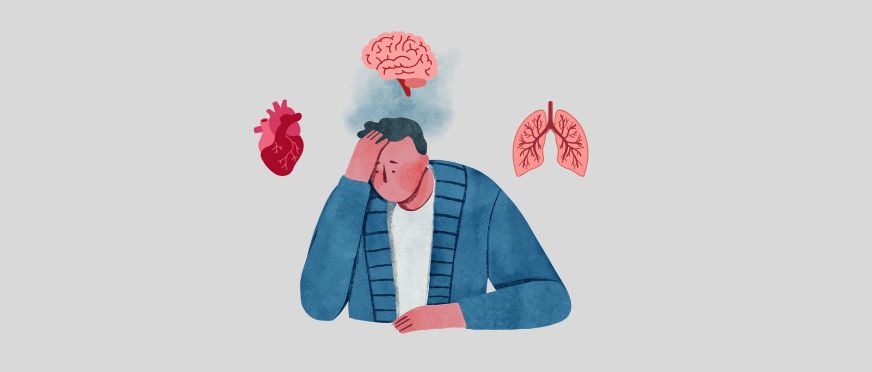
If you’ve ever had a panic attack, you know how physical it is. It’s not just an overwhelming sense of fear: your heart races, your chest feels tight, your hands might tingle or go numb. Some people feel sweaty, lightheaded, or nauseous.
Beneath all these sensations there is a common thought that shows up almost every time: something is seriously wrong with me.
And this thought makes sense! Your body is doing everything it would do if you were in real physical danger, even though, in the moment, you’re usually safe. This is what makes panic attacks so distressing and confusing. The smoke detector is going off, but there’s no fire.
What’s Actually Happening in Your Body
A panic attack is your nervous system’s fight-or-flight response jumping into action, full force, often with no clear trigger you can point to. Your body floods with adrenaline, your heart rate spikes, your breathing gets quick and shallow. Blood moves away from your digestive system and toward your muscles, which is part of why you might feel nauseous or shaky.
However, none of this means you are actually in danger. It means your nervous system reacted as if you were, and it doesn’t seem to know the difference between a real threat and a false alarm. This built-in system is meant to help us survive, and under normal circumstances the brain can hit the brakes and calm us down. For some people, this brake system malfunctions.
How to Ride It Out
You can’t always stop a panic attack from starting, but there are ways you can shorten it and make it more bearable. The most important thing to do is work with your body instead of against it. Due to the intensity of the physical symptoms, many people fear that something is medically wrong. This fear feeds into the panic attack cycle, making you feel worse and triggering more symptoms.
Slow your exhale. Your breathing is one of the few parts of the stress response you can consciously and directly influence. Inhale for 4 seconds and exhale for 6-8. Repeat for a minimum of 3 minutes. Your heart rate increases with the inhale and decreases upon the exhale, therefore a longer exhale signals safety to your nervous system.
Name what’s real, here and now. Ground yourself by focusing on your senses and surroundings. Name five things you can see, four you can touch, three you can hear, two you can smell, and one thing you can taste. This brings our brain back into the present moment, where you’re actually okay.
Let your body do something. Hold an ice cube in your hand, suck on sour candy, splash water on your face, or chew mint gum. Physical sensations give your nervous system something concrete to focus on, instead of just the internal alarm.
Stop fighting the panic. This one will feel counterintuitive, but it really does make a difference. Telling yourself to calm down often makes it worse because now you’re panicking about panicking. Instead, acknowledge what’s happening. Say to yourself, “this is a panic attack, it’s uncomfortable, I am safe, and it will pass.”
You will probably feel like crap afterward and that’s normal. Many people describe a “panic attack hangover” once they start returning to baseline. Your body just burned through a massive amount of adrenaline in a short amount of time. When your body returns to baseline, the change can leave us feeling completely drained and exhausted. You might have brain fog, feel tearful or emotionally fragile, or even experience sore muscles. Let this happen and take care of yourself during this time, your body is doing what it’s supposed to: regulating after intense activation.
Related Posts

What is Obsessive Compulsive Disorder (OCD) Anyway?
You've most likely heard of obsessive-compulsive disorder (OCD), but how accurate...

Is Anxiety More Prevalent Today?
Why does it seem like more people have anxiety today, than even just 10 years...